
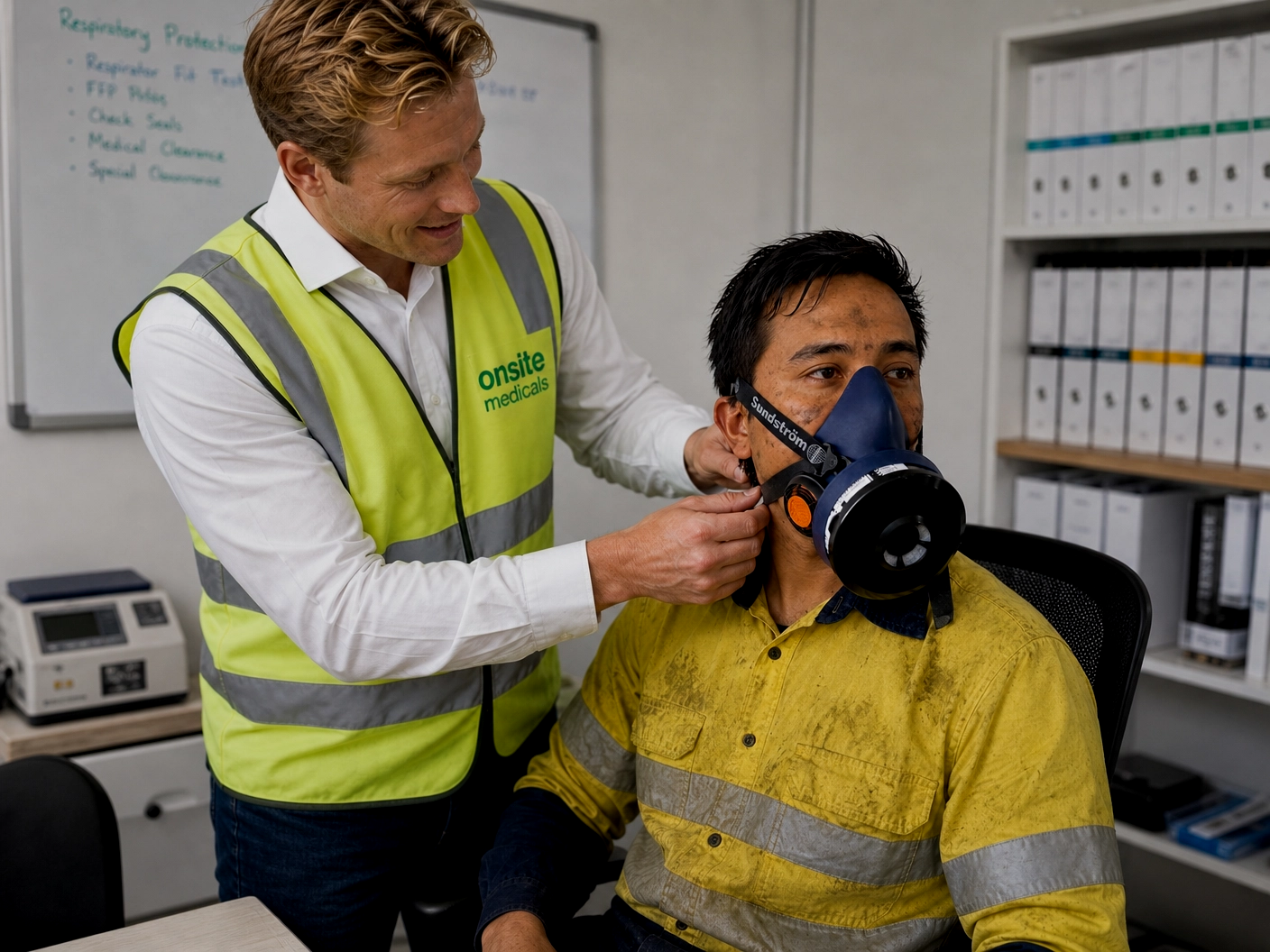
Respirator & mask fit testing
N95/P2, P3, Half Face & Full Face Respirators
On Site All Sydney & NSW. Clinic South West Sydney
Training & Accreditation.


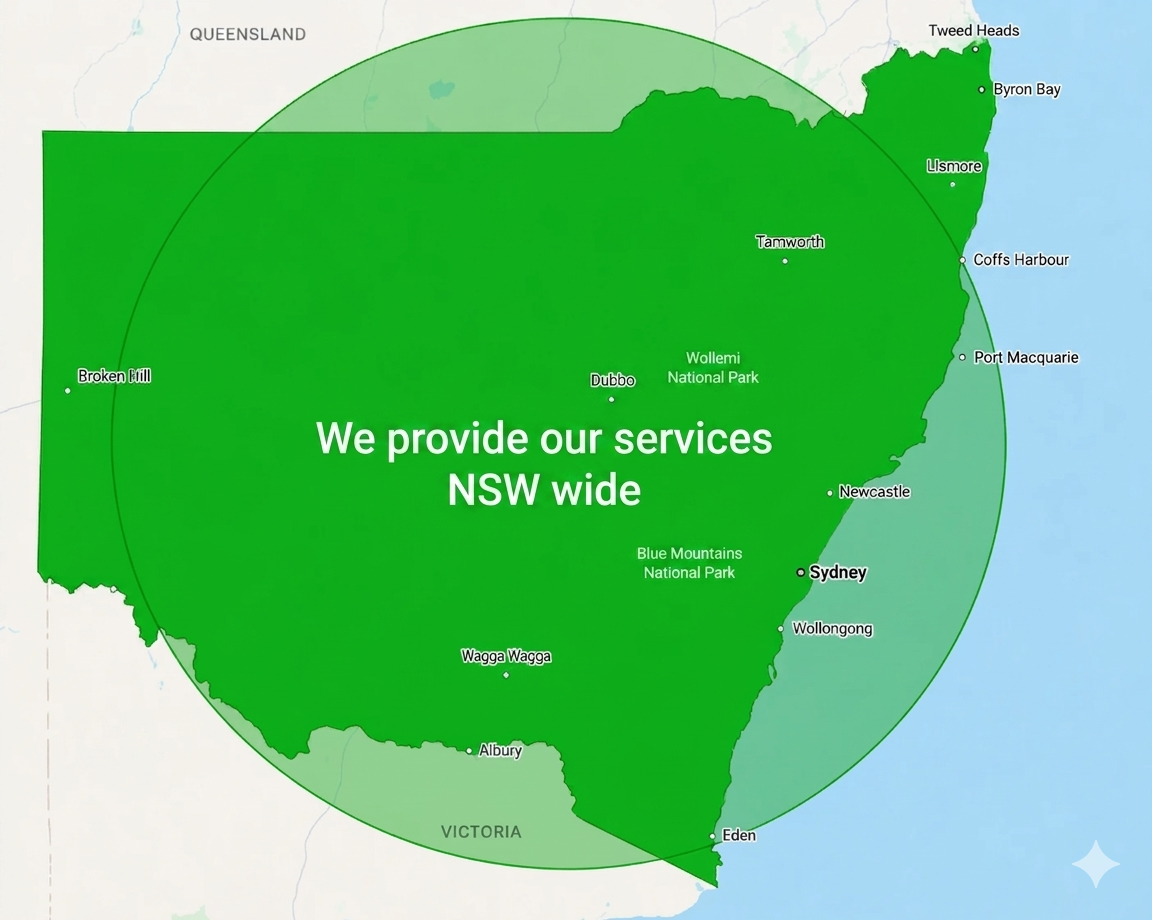
ON SITE FIT TESTING AVAILABLE THROUGHOUT NSW
HALF DAY RATE $690 + GST
FULL DAY RATE $1380 + GST
THIS PROVIDES FIT TESTS FROM ONLY $55 PER TEST
AUDIOMETRIC TESTING, D&A SCREENING, SPIROMETRY & SKIN CHECKS CAN BE PROVIDED IN OUR DAY RATES
FIT TESTING SOUTHWEST SYDNEY CLINIC
SINGLE MASK ONLY $55
TWO MASKS ONLY $100
INCLUDES DISPOSABLE P2 MASK
SAME DAY FIT TEST REPORT
Respirator Fit Testing
Onsite Respiratory Fit Testing for Workplace Compliance
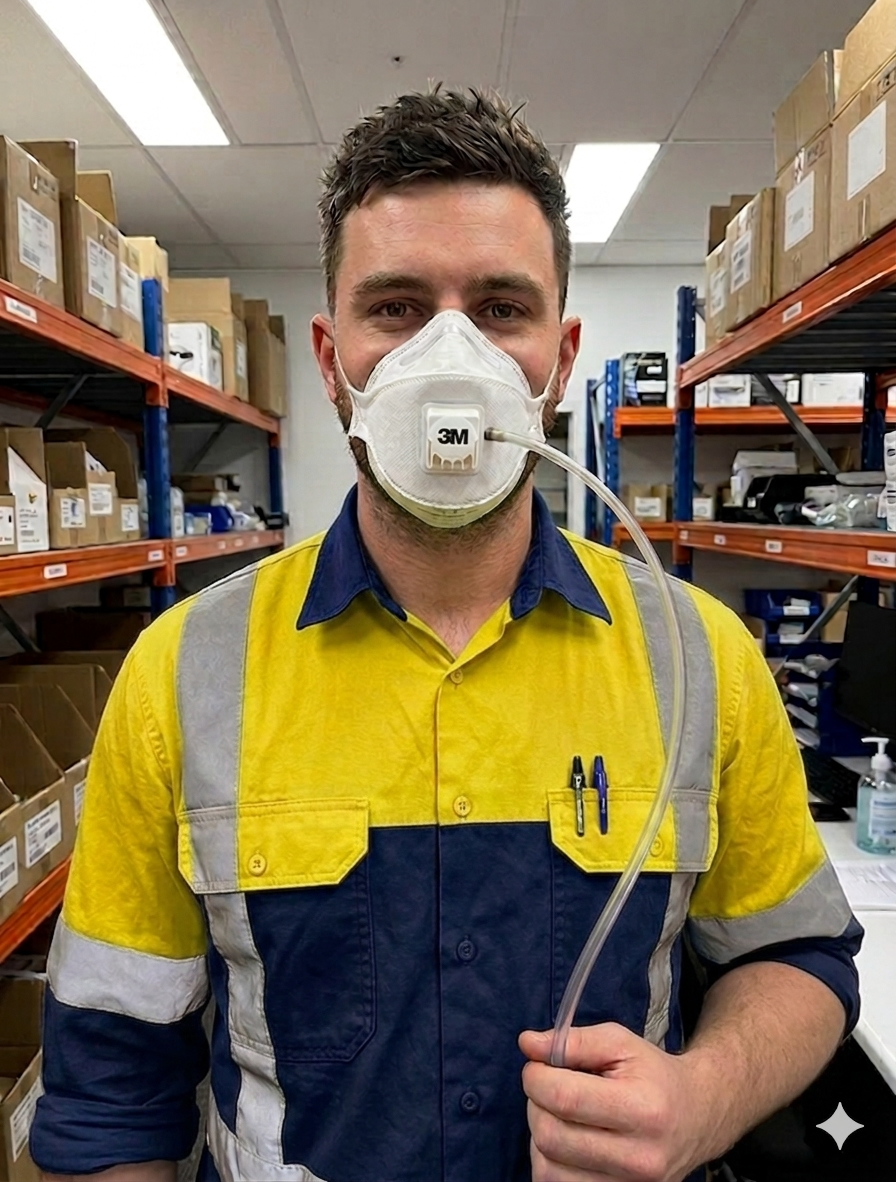
Respiratory fit testing ensures tight-fitting respirators such as P2/N95 masks and half-face respirators form an effective seal on the wearer’s face.
We provide onsite respiratory fit testing for businesses that require compliance with Australian WHS requirements and protection against airborne hazards.
What is Respirator Fit Testing?
Respiratory fit testing checks whether a respirator properly fits the wearer’s face and provides an adequate seal.
Even high-quality respirators will not provide full protection if air leaks occur around the face seal.
Fit testing confirms the mask is correctly fitted before use in hazardous environments.
Why Fit Testing is Required?
Fit testing is required to ensure workers are properly protected when using tight-fitting respirators in the workplace.
It helps:
Ensure respirators are correctly fitted to each worker
Reduce exposure to airborne contaminants
Meet Australian WHS obligations
Confirm ongoing effectiveness of respiratory protection programs
Our Fit Testing Service
We provide onsite respiratory fit testing at your workplace, reducing downtime and keeping your team compliant.
Our service includes:
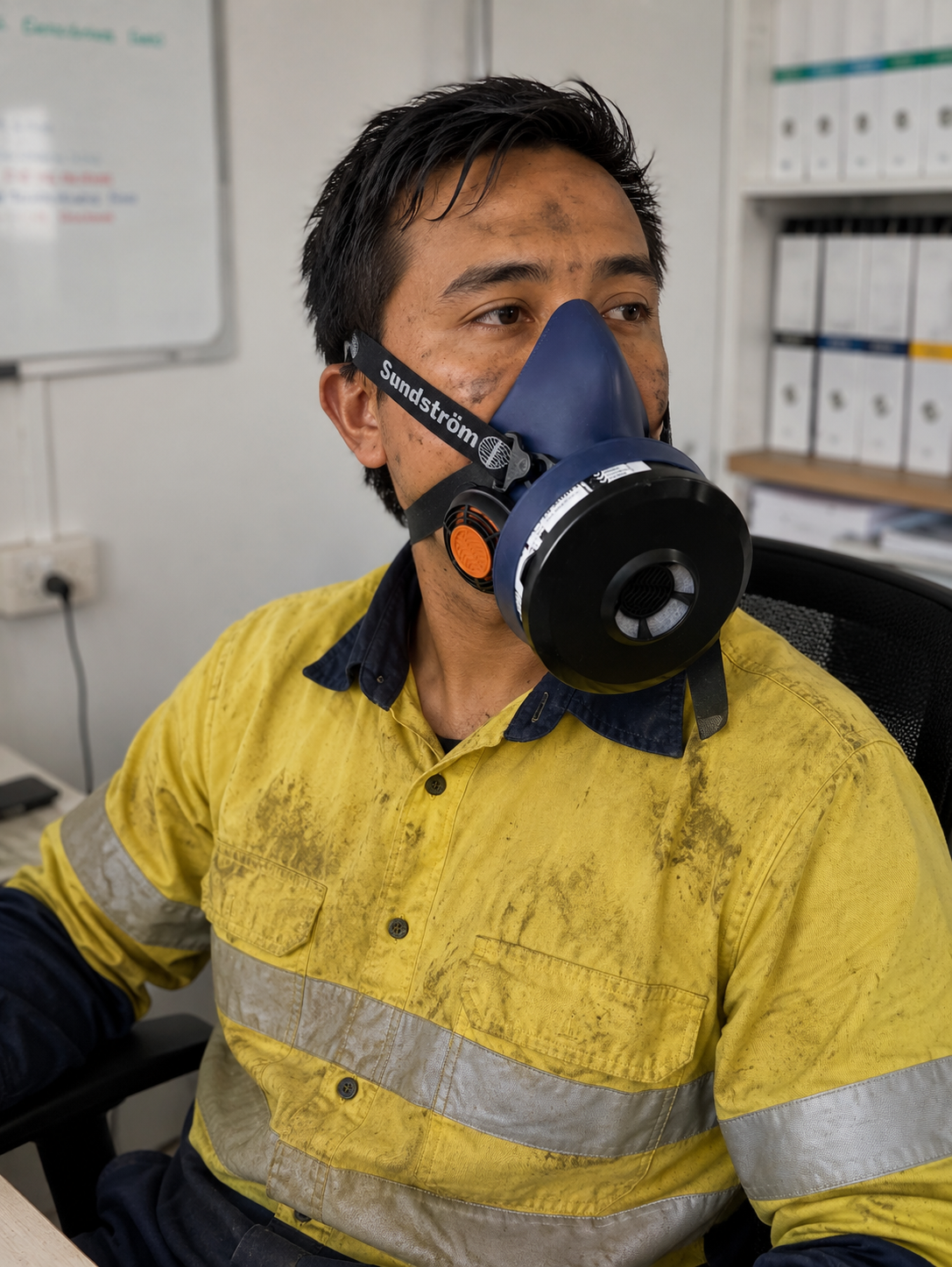
Fit testing of P2/N95 and half-face respirators
Quantitative fit testing with numerical results
Immediate pass/fail reporting
Fit test documentation for compliance records
How the Process Works
Workers wear their respirator and complete a series of standard movements and breathing exercises while testing is performed.
The process measures whether air leakage occurs around the seal during normal use conditions.
At completion, each worker receives a pass or fail result and a recorded fit factor where applicable.
Industries We Service
We provide respiratory fit testing across a range of industries including:
Construction
Manufacturing
Civil works
Maintenance and trades
Government and council works
Health care workers
Students on placements
Any workplace requiring respiratory protection compliance
Compliance Requirements
Respiratory fit testing is required:
Before initial use of a tight-fitting respirator
When changing respirator type or size
At least every 12 months
When facial changes may affect fit
Book Onsite Fit Testing
We provide onsite respiratory fit testing across workplaces to ensure compliance and worker safety with minimal disruption.
Contact us to or use our online booking to schedule onsite testing for your team.
-
Fit testing is a safety procedure used to ensure that respiratory protective equipment (RPE), such as masks or respirators, fits an individual correctly.
The goal is to make sure the mask forms a proper seal on the wearer’s face, providing maximum protection against airborne hazards like dust, chemicals, or pathogens.
-
There are two main types of fit testing. Qualitative fit testing is a pass or fail test that relies on the wearer’s sense of taste or smell to determine if a respirator fits correctly, commonly used for disposable or elastomeric masks.
Quantitative fit testing uses specialized equipment to measure the actual leakage into the mask, providing a numerical fit factor for more precise results. For this reason we only use the quantitative method of testing.
-
Fit testing is required for any worker who wears a respirator or mask to protect against airborne hazards in the workplace. This includes employees in industries such as construction, mining, healthcare, manufacturing, and laboratories, where dust, fumes, chemicals, or biological agents may be present.
Employers are responsible for ensuring fit testing is conducted to comply with workplace safety regulations and to ensure the respirator provides proper protection.
-
In Australia, the recommended frequency for respirator fit testing aligns with best practice under AS/NZS 1715 (the standard for respiratory protective equipment) and workplace safety guidance:
• Fit testing must be done before a worker uses a tight‑fitting respirator for the first time.
• It should be repeated at least annually — this is widely recognised as the common industry practice to ensure continued protection and compliance.
• Fit testing should also be repeated whenever there is a change that could affect the seal, such as: a change in respirator make/model/size, significant weight gain or loss, dental work, or other changes to facial features.Annual testing is considered best practice to maintain an effective respiratory protection program, although exact frequency can be determined by your risk assessment and the requirements of AS/NZS 1715 (e.g., if your workplace has higher risks you may choose to test more often).
-
We provide on-site fit testing at your workplace anywhere in New South Wales. Our team comes directly to your location, so your employees can be tested without leaving the worksite, minimising downtime and ensuring compliance with safety standards.
-
A fit test usually takes about 15 to 20 minutes per person, depending on the type of respirator and if they pass the test . If you’re testing multiple employees at a site, we can schedule them efficiently to minimise workplace disruption.
-
A failed respirator test means an inadequate seal. So usually we will check to ensure the respirator is fitted correctly and repeat the test, or trial another respirator.