
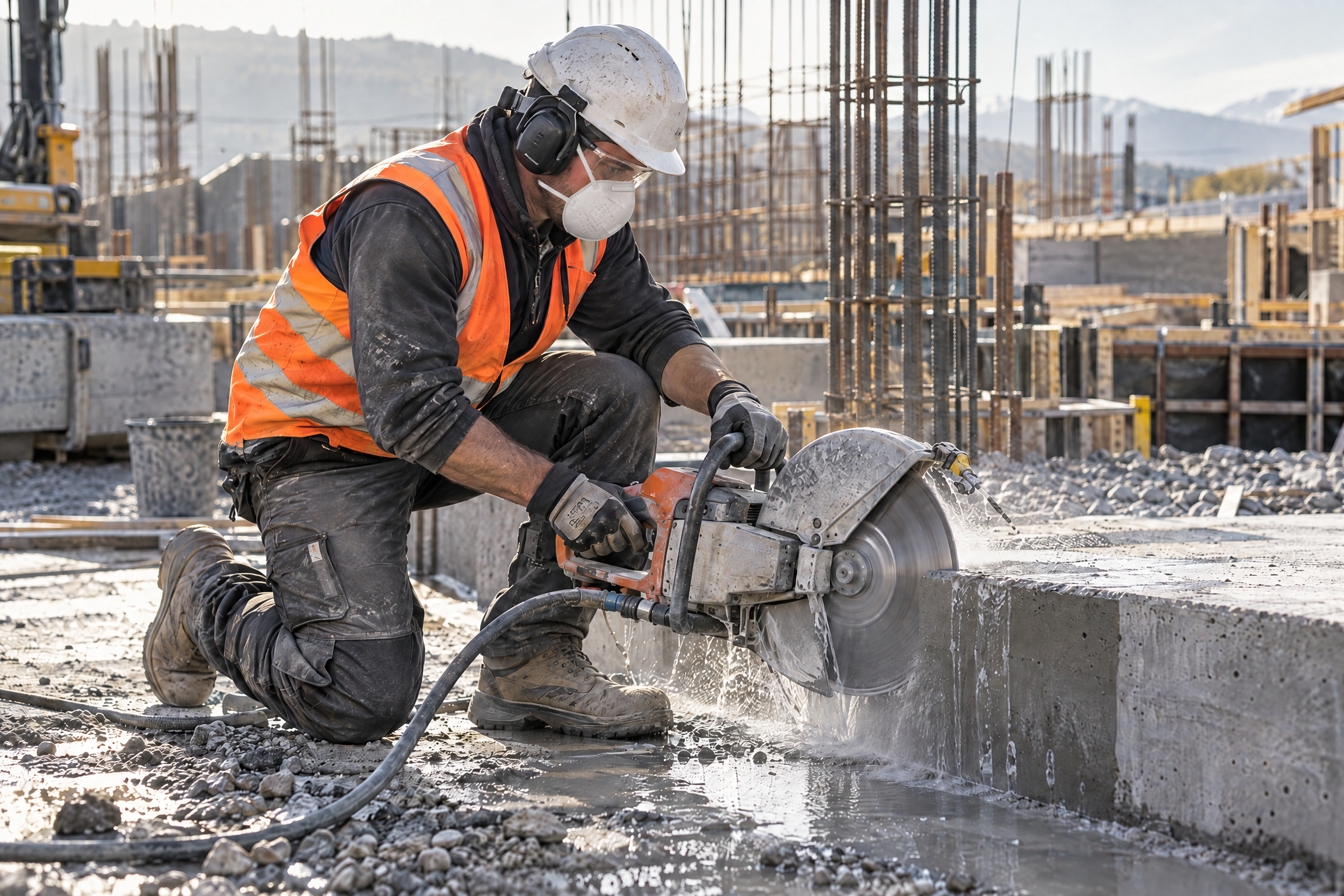
What Is More Hazardous: Crystalline Silica or Asbestos? The Hidden Dangers of Workplace Exposure
Crystalline silica and asbestos are two of the most serious workplace health hazards in Australia. Discover how silica exposure compares to asbestos, how long diseases can take to develop, why silica medicals and asbestos medicals are essential, and what employers can do to protect workers.
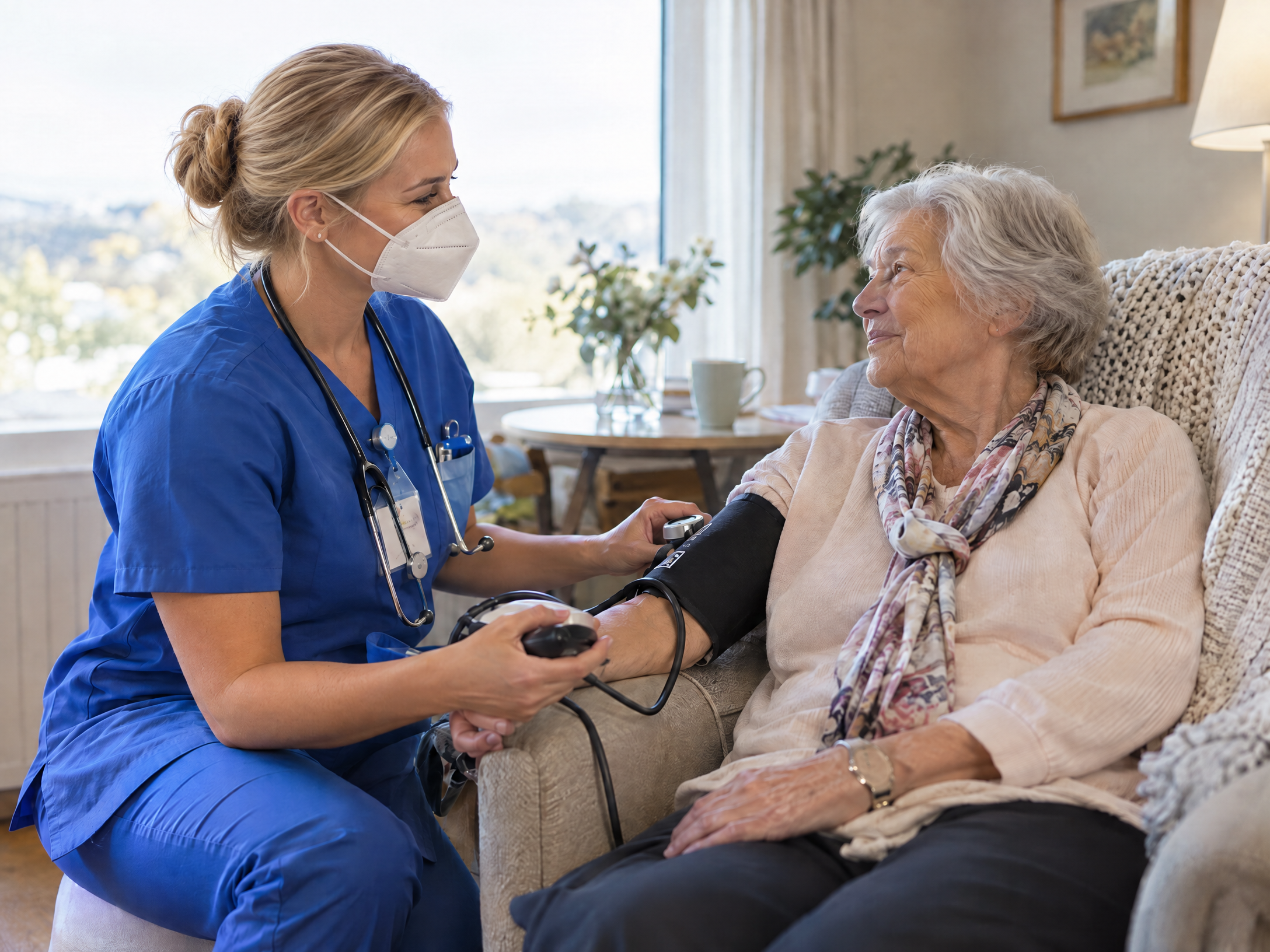
P2 Masks for Nurses: When Are They Required and What Infections Do They Protect Against?
P2 mask fit testing is essential for nurses and healthcare workers who require respiratory protection. Learn when P2 respirators are needed, why fit testing is important, and how mobile fit testing services help protect staff in healthcare workplaces.
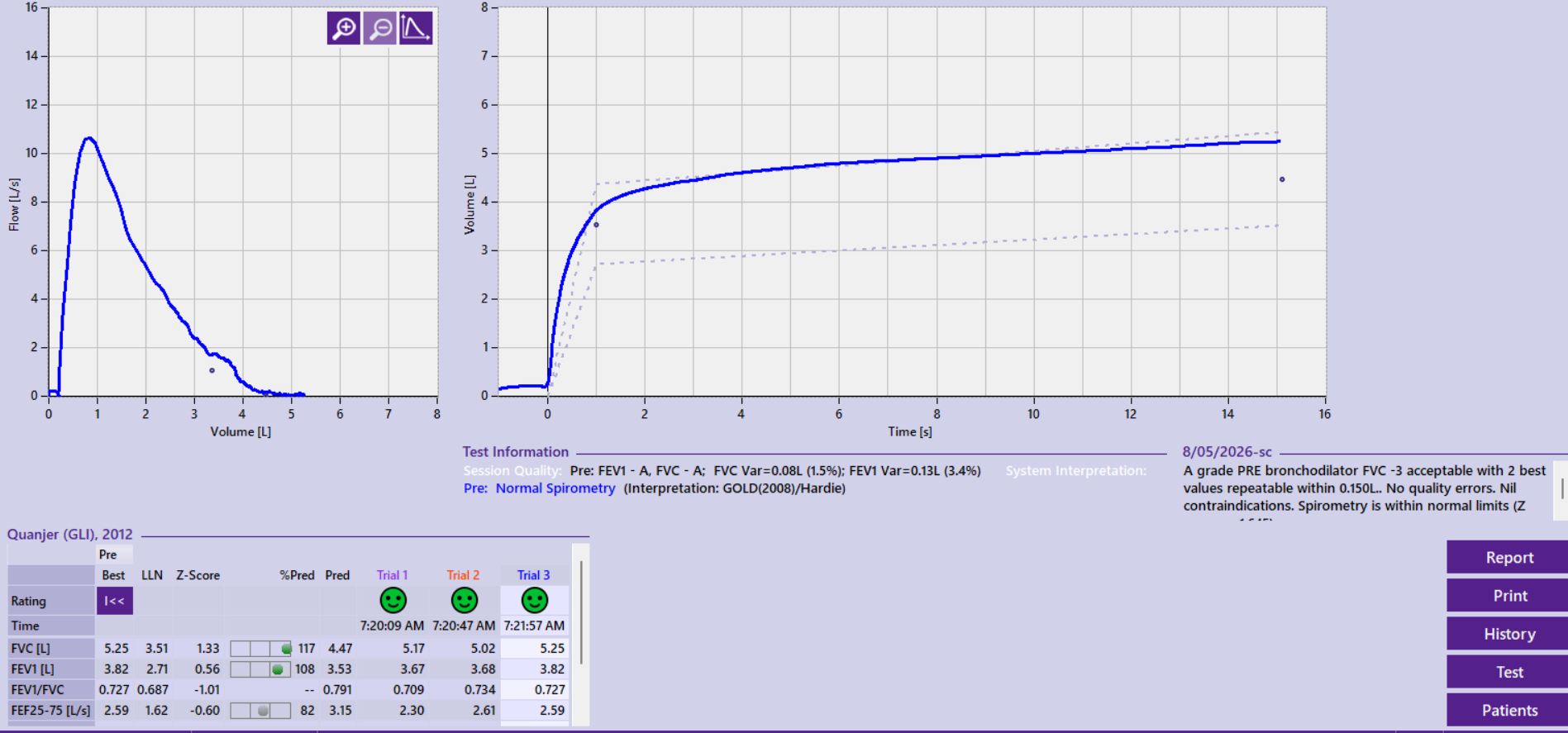
FEV1 and FVC in Spirometry: What Do These Lung Function Tests Mean?
FEV1 and FVC are key spirometry measurements used in occupational medical assessments. Learn how lung function testing supports silica medicals, asbestos medicals and respiratory health monitoring.
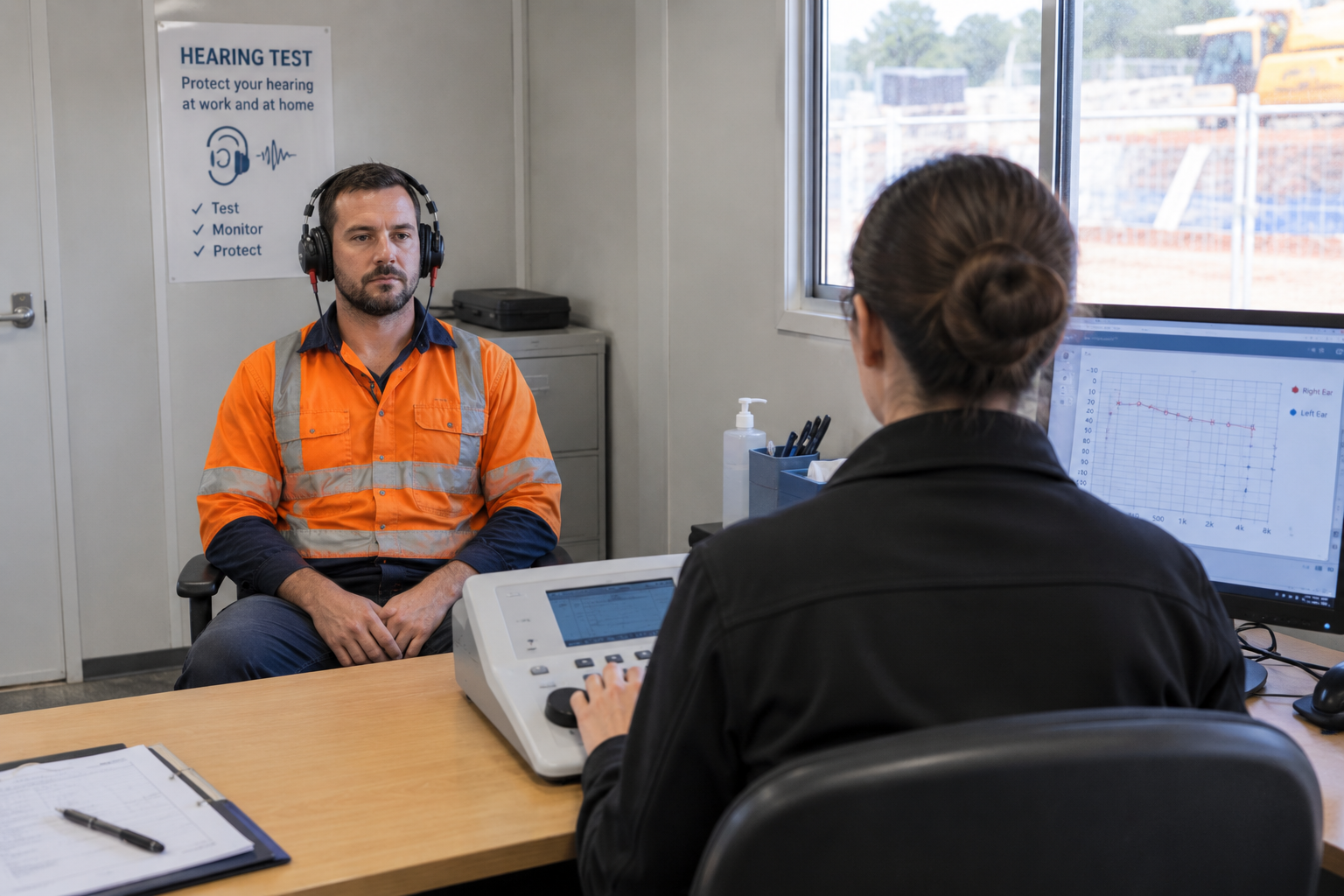
The Hughson-Westlake Method in Audiometric Testing: Why It Is Used for Workplace Hearing Assessments
The Hughson-Westlake method is widely used for occupational audiometric testing. Learn how this hearing test method supports accurate workplace hearing assessments and noise-induced hearing loss monitoring.
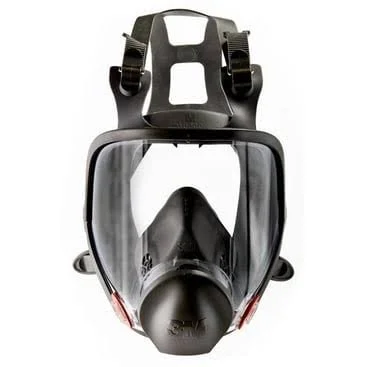
Assigned Protection Factors (APF) Explained: How Businesses Choose the Right Respirator
Learn how Assigned Protection Factors help businesses select the right respirators for silica, asbestos and other hazardous dusts, fumes and vapours. Understand APF, respirator selection and fit testing requirements.
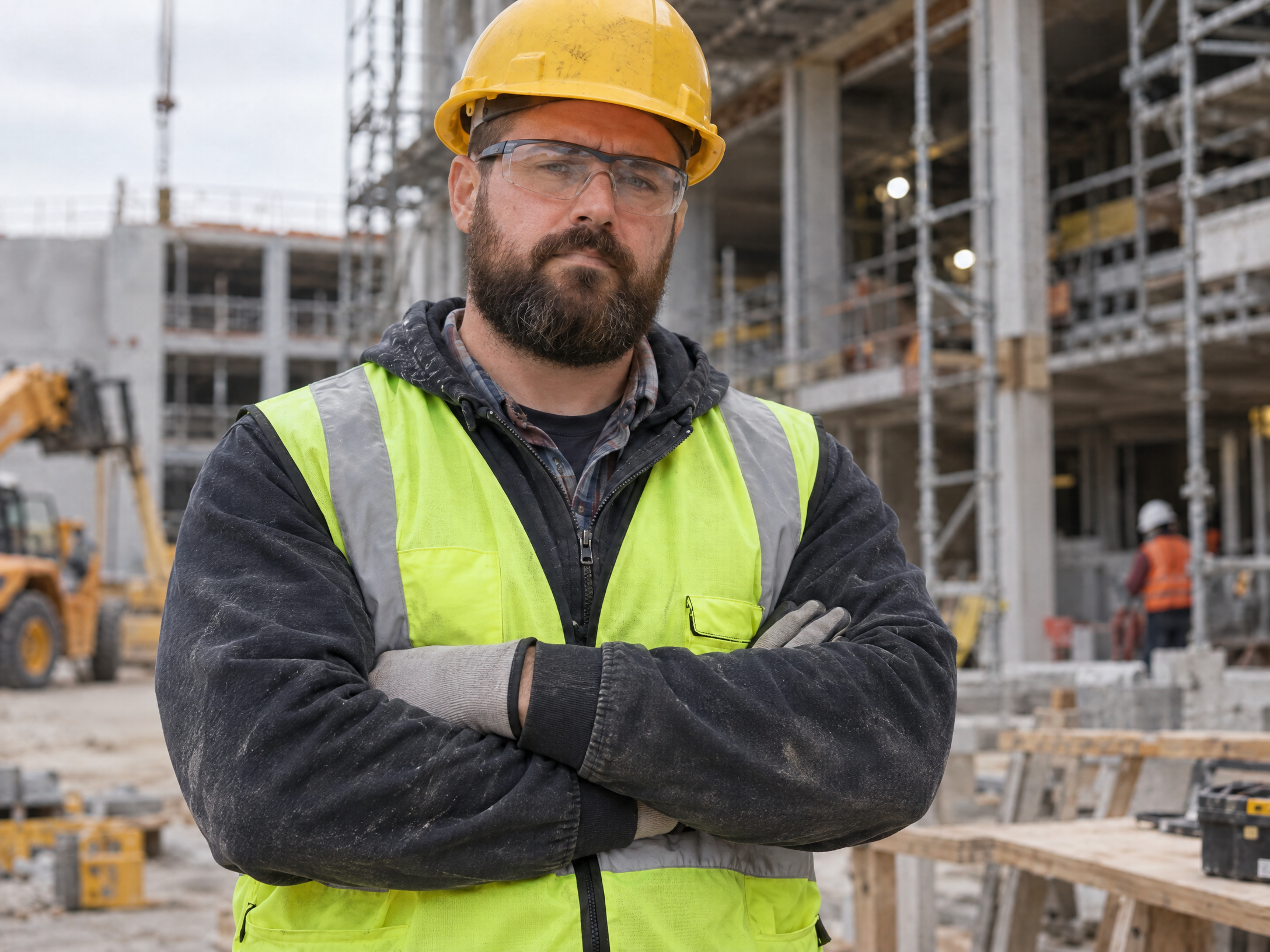
Beards, Facial Hair and Respirators: Why Do Some Workplaces Require Workers to Be Clean Shaven?
Why do companies require workers to be clean shaven for respirators? Learn how facial hair, workplace safety and respiratory protection requirements are connected.